
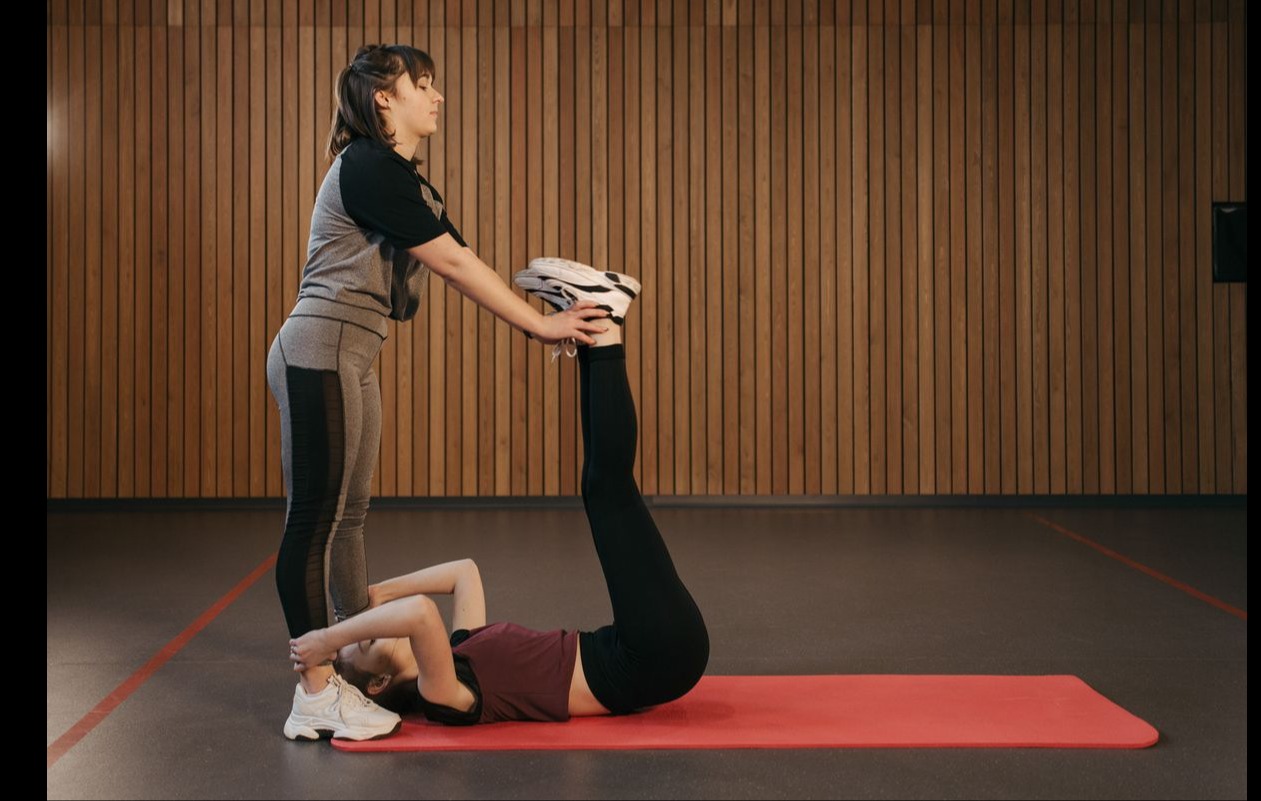
Understanding Persistent Lower Back Tightness
Persistent lower back tightness is a common complaint that affects millions of people worldwide, often disrupting daily routines and diminishing quality of life. While occasional muscle soreness might resolve after rest or simple stretches, chronic tightness in the lower back is a more complex issue. It can stem from a variety of underlying causes, ranging from sedentary lifestyles and poor posture to muscular imbalances and structural issues within the spine. Understanding why this discomfort keeps returning is the first step toward meaningful, lasting relief.
One major contributor to recurring lower back pain is prolonged sitting, especially with improper ergonomic support. Over time, this can cause the hip flexors and hamstrings to tighten, placing additional strain on the lower back muscles. Additionally, weak core muscles often fail to support the spine adequately, forcing the lower back to compensate and resulting in chronic tension. Even stress and lack of quality sleep can play a role, as they hinder the body’s ability to recover and exacerbate muscle tightness.
By identifying these root causes, you can begin to address not just the symptoms, but also the underlying factors fueling persistent lower back discomfort, opening the door to more effective strategies for relief.
How Muscles Around the Back Contribute to Tension
The intricate network of muscles surrounding the lower back plays a pivotal role in both supporting the spine and maintaining overall posture. However, when these muscles become tight or imbalanced, they often contribute directly to persistent lower back pain. Understanding the dynamics of these muscle groups sheds light on why tension recurs, despite regular stretching or temporary relief.
Key Muscle Groups Involved
- Erector Spinae: Running vertically along the spine, this group is responsible for straightening and rotating the back. When overworked or fatigued, these muscles can stiffen, leading to a sensation of constant tightness.
- Quadratus Lumborum: Located deep within the lower back, this muscle stabilizes the pelvis and lumbar spine. Prolonged sitting or repetitive movements can cause it to spasm or shorten, increasing tension.
- Hip Flexors and Hamstrings: While not directly in the lower back, tightness in these muscles can alter pelvic alignment, placing extra strain on the lumbar area and amplifying discomfort.
When these muscle groups are not functioning in harmony, compensatory patterns develop. For instance, if the core is weak, the lower back muscles may overcompensate, resulting in chronic tension. Additionally, muscle imbalances from lifestyle factors, such as poor posture, heavy lifting, or prolonged inactivity, can perpetuate the cycle of discomfort and make lower back pain a recurring problem.
Limitations of Solo Static Stretching for Lasting Relief
Many individuals turn to static stretching as a first line of defense against persistent lower back pain, believing that a simple stretch-and-hold routine will loosen tight muscles and alleviate discomfort. While static stretching, where muscles are elongated and held in a fixed position for a set duration, can temporarily ease tension, its effectiveness as a standalone solution for long-term lower back pain relief is limited. The root causes of lower back pain are often more complex than mere muscle tightness, involving factors such as muscular imbalances, poor posture, insufficient core strength, and even lifestyle habits like prolonged sitting.
Why Static Stretching Falls Short
- Lack of Functional Strength: Static stretching does little to address underlying weaknesses in the core, glutes, and stabilizing muscles that support the spine. Without strengthening these areas, stretched muscles may quickly revert to their tense state, allowing pain to return.
- Temporary Relief: The benefits of static stretching often fade within hours, offering short-lived comfort rather than lasting change.
- Neglect of Movement Patterns: Focusing solely on static stretches ignores the importance of dynamic movement and proper biomechanics, which are essential for preventing recurrent pain.
To achieve enduring relief from lower back pain, a more holistic approach that includes strengthening, mobility work, and habit modification is essential. This sets the stage for exploring more comprehensive strategies beyond solo static stretching.
What Makes Assisted Stretching at Bigstretch Different
When persistent lower back pain disrupts your daily life, finding relief that lasts becomes a top priority. At Bigstretch, assisted stretching isn’t just a routine. It’s a tailored experience designed to address the unique needs of each individual. Unlike generic stretching routines you might perform at home, our approach combines expert guidance, personalized assessments, and hands-on support to deliver results that go beyond temporary comfort.
Personalized Assessment and Customized Plans
Every client at Bigstretch begins their journey with a comprehensive assessment. Our experienced stretch therapists take the time to understand your specific pain points, mobility limitations, and lifestyle factors that contribute to recurring lower back pain. This thorough evaluation enables us to craft customized stretching programs targeting not only the symptoms but also the underlying causes of your discomfort.
Expert-Led, Hands-On Techniques
Bigstretch sets itself apart by employing certified professionals who specialize in assisted stretching. Through guided, hands-on techniques, therapists help you safely achieve deeper stretches than you could reach alone. This method ensures optimal muscle elongation and joint mobility while minimizing the risk of overstretching or injury, an essential advantage for those with chronic lower back pain.
Ultimately, the Bigstretch difference lies in our commitment to empowering you with sustainable pain relief and enhanced flexibility, setting the stage for lasting wellness as you progress to the next steps in your recovery journey.
Exploring Techniques like PNF Stretching for Deeper Release
When traditional stretches aren’t delivering lasting relief from lower back pain, it’s time to delve deeper into advanced techniques such as Proprioceptive Neuromuscular Facilitation (PNF) stretching. Unlike static stretching, which simply involves holding a position, PNF utilizes a unique blend of stretching and contracting targeted muscle groups. This dynamic approach not only enhances flexibility but also promotes a more profound muscular release, directly addressing stubborn tension in the lower back.
How PNF Stretching Works
PNF stretching typically involves three key stages:
- Stretch: First, the muscle is gently stretched to a point of mild discomfort, activating the muscle fibers without causing strain.
- Contract: Next, the muscle is contracted isometrically against resistance, often provided by a partner or an immovable object, for a few seconds.
- Relax and Deepen: Finally, the muscle is relaxed, and a deeper stretch is attempted, often resulting in noticeably increased range of motion.
For individuals suffering from persistent lower back pain, these cycles of stretch and contraction can help “reset” muscle length, break the cycle of chronic tightness, and encourage better neural communication between the muscles and the brain.
Integrating PNF stretching into your routine not only targets the root causes of lingering discomfort but also lays a foundation for sustained relief, paving the way for the next steps in your recovery journey.
Daily Habits to Support a Looser Lower Back
Chronic lower back pain often stems not just from isolated incidents, but from the rhythm of our daily routines. The secret to lasting relief lies in cultivating habits that encourage flexibility, mobility, and strength throughout the day. By weaving these mindful practices into your routine, you create an environment where your lower back is less likely to tighten up or flare with discomfort.
Move with Intention
Sedentary lifestyles can be a silent culprit behind persistent lower back tension. Make it a goal to stand, stretch, or take a short walk every hour, especially if your job demands long periods of sitting. These micro-movements counteract the compression and stiffness that build up over time, supporting a healthier, looser lower back.
Mind Your Posture
Aligning your spine during daily activities is crucial. Whether you’re seated at a desk or standing in line, be mindful of slouching or arching excessively. Use ergonomic chairs, supportive cushions, or standing desks if possible, and keep your feet flat on the floor to reduce undue strain on your lumbar spine.
Daily Stretching Rituals
Integrate gentle stretching into your morning or evening routine. Focus on dynamic stretches and movements that target your hips, hamstrings, and lower back. This daily ritual helps maintain flexibility, reduces muscle tension, and prepares your body to handle the demands of the day with greater resilience.
By embracing these simple yet impactful daily habits, you lay the foundation for lasting lower back comfort and reduce the likelihood of recurring pain.
When to Consider a Doctor Before Stretching
Before starting any stretching routine for lower back pain, it is crucial to recognize situations that warrant professional medical attention. While stretching can provide relief and improve flexibility, certain symptoms indicate underlying issues that simple stretches may not address, and, in some cases, could worsen.
Warning Signs That Require Medical Evaluation
- Persistent or Severe Pain: If your lower back pain is intense, lasts for more than a few weeks, or interferes with daily activities, it’s time to consult a doctor. Chronic pain may signal disc problems, nerve compression, or other serious conditions.
- Numbness, Tingling, or Weakness: Sensations of numbness, tingling, or weakness in your legs, buttocks, or feet could indicate nerve involvement, such as sciatica or spinal stenosis.
- Loss of Bladder or Bowel Control: Sudden incontinence or difficulty controlling bladder or bowel functions is a medical emergency and requires immediate attention.
- History of Trauma or Injury: If your pain follows a fall, accident, or direct injury to the back, professional evaluation is essential to rule out fractures or structural damage.
Seeking a doctor’s guidance ensures that your stretching routine is safe, targeted, and appropriate for your specific condition. By prioritizing medical evaluation when red flags are present, you can prevent complications and set the foundation for effective pain management as you move forward.
Book an Intro Stretch at Bigstretch in Encinitas
If you’re tired of recurring lower back pain and traditional solutions haven’t provided lasting relief, it’s time to experience something different. Booking an Intro Stretch at Bigstretch in Encinitas could be the transformative step your body needs. This initial session is designed specifically for newcomers, offering a tailored approach to address stubborn discomfort while helping you understand the underlying causes of your pain.
At Bigstretch, certified stretch therapists work closely with you to assess your mobility, flexibility, and unique body mechanics. Your session isn’t a one-size-fits-all routine. It’s a personalized introduction to assisted stretching, where every movement is guided by a knowledgeable professional. Through gentle, targeted stretches, you’ll begin to alleviate tension in the lower back, hips, and surrounding muscles, addressing imbalances that often contribute to chronic pain.
Beyond immediate relief, the Intro Stretch also serves as an educational experience. You’ll learn about specific stretches and mobility techniques you can incorporate into your daily routine, empowering you to take control of your health. Booking your session at Bigstretch in Encinitas is more than just trying something new. It’s investing in a proactive solution for long-lasting lower back wellness. Ready to break the cycle? Your journey starts with a single session.
North County San Diego
Located along the picturesque coastline of Southern California, North County San Diego is renowned for its distinctive blend of natural beauty, vibrant communities, and an active lifestyle. This region encompasses a diverse array of neighborhoods, from the charming surf towns of Encinitas and Carlsbad to the rolling hills of San Marcos and Vista. Residents and visitors alike are drawn to the area’s sun-drenched beaches, scenic hiking trails, and the allure of year-round outdoor recreation.
In North County San Diego, wellness is not just a trend. It’s a way of life. The community places a strong emphasis on healthy living, with an abundance of yoga studios, fitness centers, and holistic health practitioners dedicated to supporting both physical and mental well-being. This environment naturally attracts those seeking to manage or alleviate ailments like lower back pain, as individuals are eager to maintain their active routines and enjoy everything the region has to offer.
With its unique combination of coastal charm and a health-conscious population, North County San Diego stands out as an ideal setting for exploring effective solutions to recurring lower back pain, including the integration of targeted stretching regimens and preventive care practices.